

Losing weight can be a grueling and frustrating process, especially if you’re trying to do it in a safe and sustainable way. It can involve numerous lifestyle changes like eating differently, preparing meals ahead of time, and moving your body more on a daily basis. Because of how time-consuming and emotional this process can be, it can be utterly devastating when you’re doing everything you can, only to realize you’re not losing weight.
Even if you’ve made some drastic changes to your diet, there are always going to be sneaky foods and drinks that we may not realize are contributing to some weight gain. At the end of the day, there isn’t just “one food” out there that can cause us to gain weight, but eating certain types of foods with extra calories, fat, and added sugars may contribute to more weight gain and less weight loss over time.
To help you get to the bottom of these food-related frustrations, we’ve highlighted 9 common foods and drinks that may be sneakily leading to problems with your weight loss goals.
Flavored Yogurt
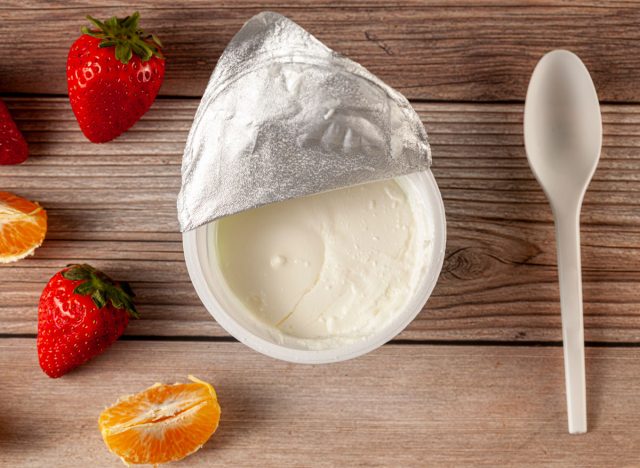
Yogurt can be an exceptionally healthy addition to your diet by adding protein, calcium, and probiotics. When shopping for yogurt, though, look out for flavored varieties that are loaded with added sugars, which can have upwards of 20-25 grams of added sugar per serving. According to the journal Nutrition, Metabolism and Cardiovascular Diseases, there is a powerful link between consumption of added sugar and weight gain, abdominal fat, and risk of obesity.
When shopping for yogurts, look for healthier varieties like unflavored Greek yogurt or sugar-free flavored choices like Chobani Zero Sugar.
Breakfast Cereal
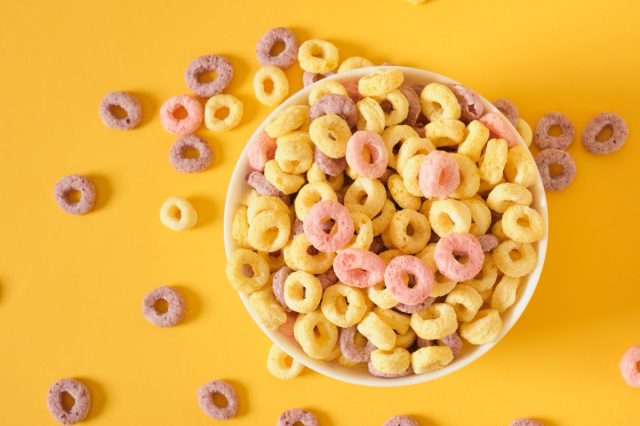
Starting your morning off with cereal can be a great way to make sure you’re still eating breakfast on busier days when there isn’t time to cook something. However, many cereals are loaded with added sugars and contain little to no fiber or protein.
Not only can too much added sugar contribute to weight gain, but not getting enough protein can leave you feeling hungry and unsatiated, which may lead to overeating later on. According to the Journal of Nutrition, individuals who don’t eat enough protein are at greater risk of weight gain.
A lack of fiber can also indirectly contribute to weight gain over time because you may not feel as full after eating, and according to the Journal of Nutrition, increasing your daily fiber intake can decrease your risk of weight gain.
When picking a breakfast cereal that aligns with your health goals, look for healthier varieties that are low in added sugars and higher in fiber and protein. This will help you start your day off on the right foot.
Bagels

Speaking of not getting enough fiber, regularly eating bread items made with white flour, like bagels, may contribute to weight gain. There are a couple of reasons for this. The first is the lack of fiber, as we mentioned with certain breakfast cereals. Fiber helps you stay satiated after eating, which can help ensure that you won’t overeat later on. Beyond that, fiber helps improve your gut health, and research has shown that there is a strong link between a healthy gut microbiome and the ability to lose or manage your weight.
Another factor to consider with bagels is that if you’re eating a bagel by itself with something like cream cheese or butter, you won’t be giving yourself any protein to help keep you full or maintain a speedy metabolism. And with the lack of fiber as well, a bagel will make you feel hungry quickly afterward.
Smoothies
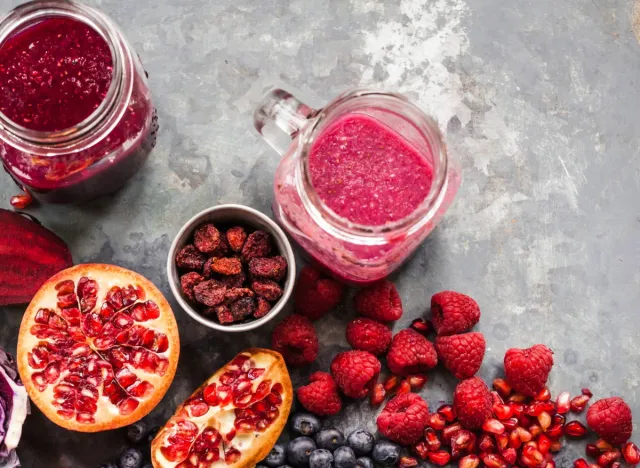
Smoothies have the potential to be a healthy part of your daily eating plan, but the ingredients inside a smoothie are what make or break its nutritional value. For example, drinking a smoothie you make at home that has protein, fiber, and lower fat can keep your calorie and sugar counts low while helping to keep you full until your next meal. Unfortunately, though, it’s easy for smoothies to become sugar and calorie bombs when you include ingredients like sugary yogurts, too much nut butter, etc., or when you purchase pre-made bottles from the store.
Trail Mix
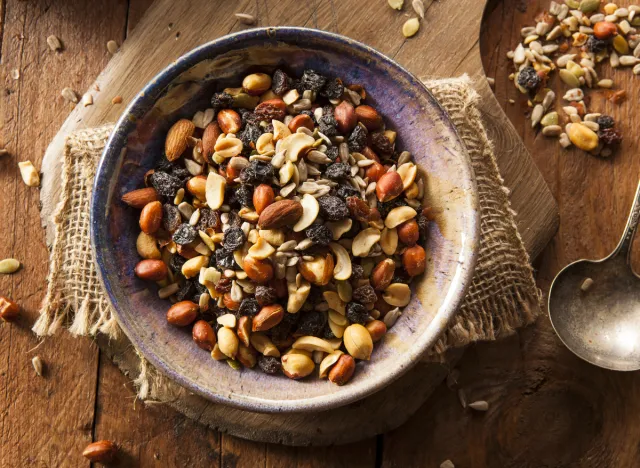
This one is entirely dependent on the ingredients inside. If you’re eating a trail mix that contains a balance of nuts, seeds, and fruit, you’ll be giving your body a nutritious dose of protein, fiber, and antioxidants that will help to keep you full and satiated between meals.
If your favorite trail mix happens to contain plenty of chocolate or sugary candy, though, it may sneakily increase your added sugar and calorie intake without you realizing it. To decide which is the best brand to buy for your health goals, check out our list of the healthiest and unhealthiest trail mix varieties on grocery store shelves.
Soda
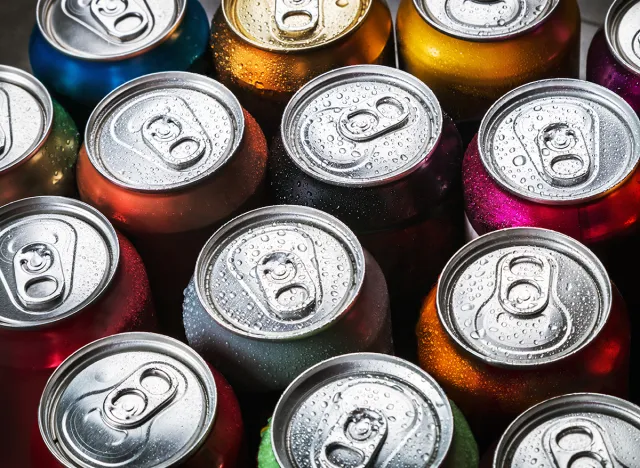
It’s no secret that sodas are loaded with sugar, but we sometimes don’t realize just how detrimental a daily soda habit can be to our health. In some of the sugariest bottles of soda, you can get anywhere between 75 and 85 grams of added sugar in one sitting—which is around three times the daily recommended limit set by the American Heart Association.
Not only are these sugar-sweetened beverages harmful to your heart health, they’re also potential culprits in weight gain because of all the added sweeteners.
When you’re craving something sweet and bubbly, try healthier soda alternatives that come with less sugar, like Olipop.
Granola Bars
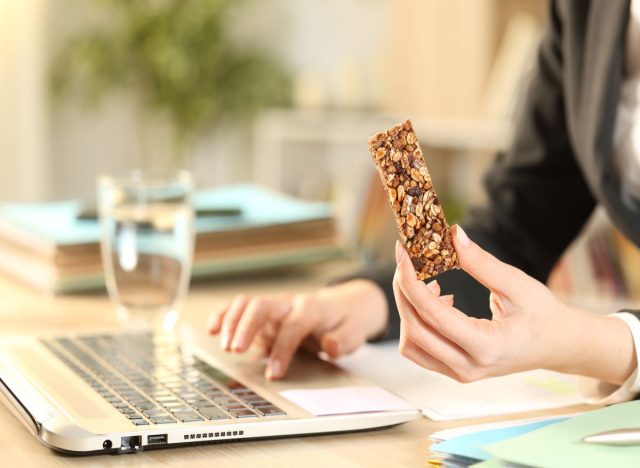
This is a sneaky one because there are many granola bars out there that are healthy and full of nutrients. However, tons of bars market themselves as “healthy” and are, in fact, loaded with extra calories and sugar. If you’ve been snacking on a sugary granola bar in between meals or starting your day with one instead of a nutritious breakfast, you may be unknowingly contributing to some extra weight.
Alcohol

If you feel like you’ve been eating super healthy but still aren’t meeting your weight goals, it may be the alcoholic drinks you’re sipping on at night. A glass of wine or two is fairly harmless every once in a while, but if you have a nightly habit of sipping on wine before bed or meeting friends out for a happy hour, you may be consuming more calories and sugar than you realize.
Fat-free or “Diet” Foods
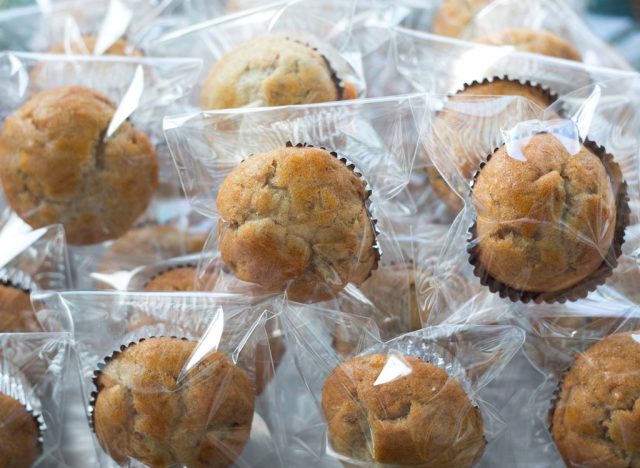
You may think that choosing fat-free or low-fat foods will automatically help you cut calories and lose weight, but it all depends on the food you’re choosing. Some fat-free foods end up being loaded with added sugars to compensate for the lack of fat, which can quickly rack up your added sugar levels and contribute to weight gain.
Fat-free salad dressings, low-fat ice cream, reduced-fat peanut butter, low-fat flavored yogurts, and low-fat cereals are all examples of grocery items that commonly come with higher levels of added sugar than their regular counterparts.

Sign up for our newsletter!