
by Jeffrey Lo, MD, Attending Physician, Orthopedics and Sports Medicine Department, Boston Children’s Hospital
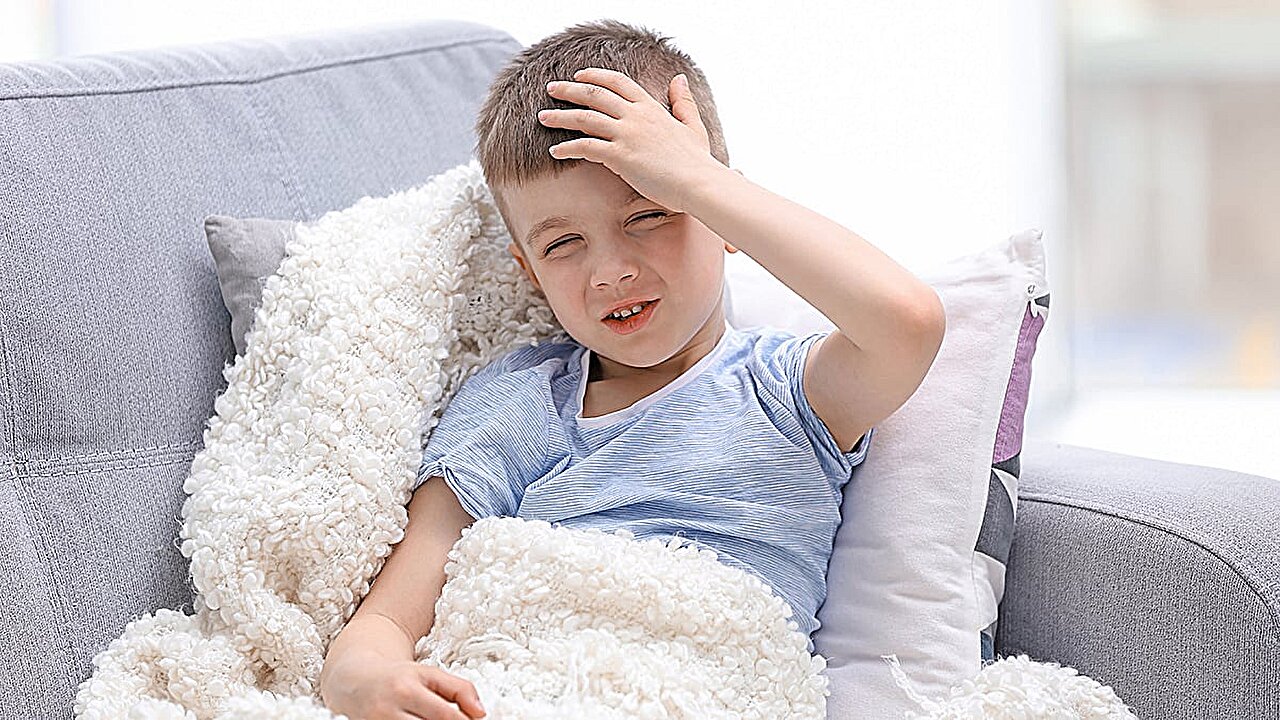
When a child tumbles to the floor from a blow to the head, a parent’s inner alarms should sound. The child may have a brain injury.
Here’s what parents need to know:
What is a concussion?
A concussion is a mild traumatic brain injury (TBI) that results from a direct hit to the head, face or neck.
Concussions may or may not involve a loss of consciousness. Symptoms may occur immediately or over the course of hours. They usually resolve within days.
What are the concussion symptoms in a child?
When a child receives a blow to the head, watch for these warning signs of concussion:
- Headaches
- Confusion, disorientation
- Difficulties with memory
- Blank stare or a stunned appearance
- Difficulty following directions (inattentiveness)
- Slow or incoherent speech
- Dizziness
- Balance problems
- Vomiting
- Emotional instability (inappropriate laughing or crying, increased irritability, depressed mood)
What are common ways a child may get a concussion?
Any blow to the head, neck or face can cause a concussion. However, the majority of concussions are associated with contact/collision sports. Higher risk sports and activities include:
- Football
- Ice hockey
- Soccer
- Lacrosse
- Wrestling
- Basketball
- Rugby
How is a concussion diagnosed?
A concussion is a clinical diagnosis based on the patient history and physical exam done through a variety of standardized assessments performed by a trained health care provider such as a physician or an athletic trainer.
There are no specific lab tests or imaging studies that diagnose a concussion.
Concussion treatments
Rest and avoidance of further impact to the head are the principles to allow time for the brain to heal.
Specific treatments for concussion focus on relieving the symptoms. Some treatments that parents can offer at home include:
- Acetaminophen and ibuprofen for headaches.
- Certain vitamins and supplements such as B complex vitamins and either magnesium citrate or magnesium glycinate can help with migraine headaches.
- Make sure the child drinks plenty of water and eats a healthy balanced diet.
- The child may need more rest than usual so make sure they get plenty of sleep.
- A brief period (24 to 48 hours) of physical rest followed by resumption of non-contact exercise incorporating stretching, light resistance training, and gradual progressive aerobic activity starting with walking and building up as tolerated may help speed recovery.
- Avoiding loud noises and bright lights from screens may also help with recovery as loud noises and bright lights can make symptoms worse especially in the early phases of the concussion
- Finally, trying to maintain as close to a regular schedule and routine as possible is helpful.
When does a child with concussion symptoms need to see to a doctor?
Some symptoms of a concussion are considered dangerous and may be associated with a structural injury to the brain and skull. These should prompt an adult to seek immediate medical attention. These include:
- Headache that is worsening and doesn’t go away
- Repeated episodes of vomiting
- Slurred speech
- Drowsiness or child can’t be awakened
- One pupil (the black part in the middle of the eye) appears larger than the other
- Increased confusion, restlessness or agitation
- Convulsions or seizures
- Inability to recognize people or places
How long does a concussion last?
While every patient with a concussion has a different set of symptoms and recovery time, the majority will recover four to six weeks from the injury. Lingering symptoms beyond six weeks should be examined by a sports medicine physician, neurologist or another physician with expertise in management of concussions.
When can my child return to sports after a concussion?
Children can generally return to sports after concussion when they are symptom-free and are off any medications used to treat concussion symptoms.
They should have returned to school and resumed full academic demands. They should have a normal neurologic exam. If balance problems were among initial symptoms, these should be back to to baseline levels.
Once these criteria are met, then the child is cleared to start a gradual return to regular sports activities. The activities vary for each child and what sport they play, but children can usually return first to aerobic exercise, sports-specific exercise, non-contact participation, full practice and then game play.
The timeline of returning to sports activities is different for each child and their injury. It is recommended that the return to sports be gradual and with help from a physician, athletic trainer or physical therapist.
More information:
There’s more about concussion at the U.S. Centers for Disease Control and Prevention.
Copyright © 2025 HealthDay. All rights reserved.
Citation:
Child concussion: What to know if your child takes a blow to the head (2025, April 20)
retrieved 20 April 2025
from https://medicalxpress.com/news/2025-04-child-concussion.html
This document is subject to copyright. Apart from any fair dealing for the purpose of private study or research, no
part may be reproduced without the written permission. The content is provided for information purposes only.